Book Club
A few years ago I invited a few friends to meet up at my house on a Monday night to share experiences of a common interest. At the time I had got fed up with the superficial small talk that seemed to always predominate in the social circles I belonged to. What I had in mind was something akin to an encounter group. As Paulo Freire once stated, “At the point of encounter there are neither utter ignoramuses nor perfect sages. There are just people trying to find out more than they now know.” In other words I wanted to instigate a conversational exchange on equal terms in which everyone was carefully listened to and encouraged to participate. Anyone could throw a topic into the ring and we would give it a good airing. Together as a group we would become increasingly more transparent, honest and intimate with each other.
However, things did not develop quite as I had anticipated. Not everyone shared the same objectives. Not everyone knew what they wanted to talk about or desired to be open in disclosing their feelings. Several required a structure for the evening, a specific task or a target. So the idea of reading a selected text quickly arose. “All we need to do is choose a good book and the life enhancing conversation will inevitably proceed when we come to discuss it.” Initially I didn’t much like this idea. I considered it a bit of a cop out. Surely we can chew the existential fat without needing a book to kickstart the operation? But I turned out to be in a minority of one and as a democrat I had no choice but to acquiesce.
Sixteen years later I have no regrets. I have been forced to read books on subjects well out of my comfort zone and to reflect quite deeply on my own prejudices as well as the prejudices of others. One person’s reading meat is another’s poison. That is unquestionable. One person wants laugh out loud entertainment and spine chilling suspense while another wants cutting edge knowledge and original thought. One person loves simplistic characterisation and sentimentality, another likes psychological complexity and moral rigour. I have also been enabled to think about the way the book industry works, sometimes quite opportunistically and meretriciously and at other times with honorable integrity.
One thing I have come to realise is that writing a review of a book is for me a valuable exercise on its own. If a book has become a way of beginning a conversation, then a review is simply a way of extending it, of putting my response in some kind of coherent order. Somebody – it may have been Joyce Cary? – once wrote that “Just as the writer needs to learn how to write, so the reader needs to learn how to read.” I agree with that. Reading is a creative act, not a passive one. Readers should not be like empty vessels waiting to be filled up with wisdom, entertainment, wonder or whatever else. They should exercise curiosity about what the author is pouring into them and how exactly s/he’s selected the ingredients. At least that is one of my prejudices.
Another of my prejudices is that all authors are storytellers whether they realise it or not. Even the most factual book ever written is a story, whether it be Wayne Grudem’s Systematic Theology or Delia Smith’s Complete Cookery Course. So please take a look at my book reviews if you will – but I suggest only after you have read the book and want to join the conversation. Otherwise my critiques may tend to spoil your future enjoyment by giving away too much of the narrative and ending. I evaluate them from 1 to 5 stars for merit.
If you wish to participate in the book club in an online capacity please note the last book we read was UNRULY by David Mitchell (a comedic take on the history of the English monarchy). The current one is POLITICS ON THE EDGE by Rory Stewart (a memoir of his career as an MP) and I shall post a review of it in the next edition.
MUNICH by ROBERT HARRIS
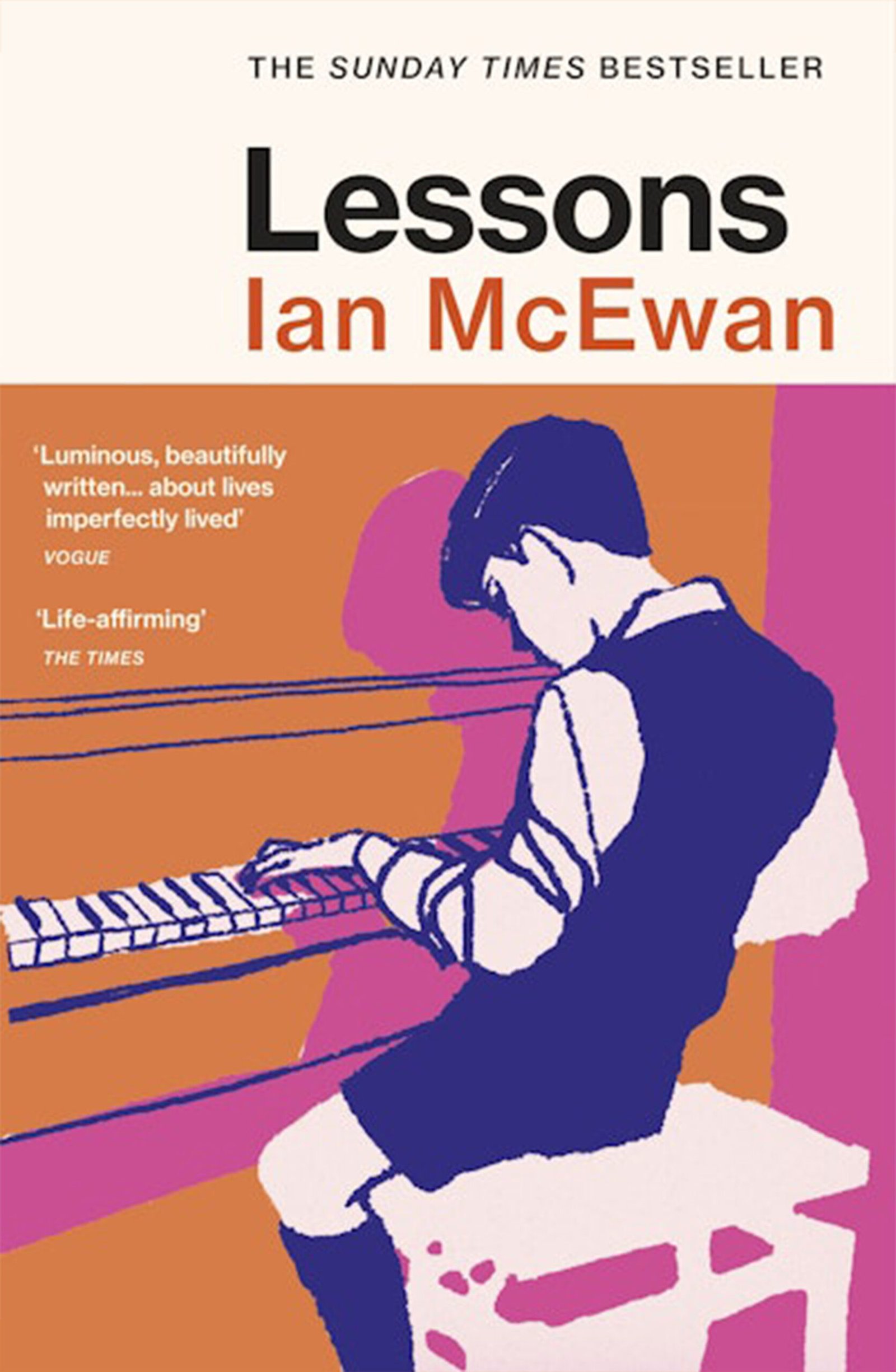
Lessons by Ian McEwan
I began this novel with high expectations. McEwan is to fiction what Ronnie O’Sullivan is to a snooker table, a yarn spinner top class. He can construct brilliant word breaks with breathtaking speed. He can detect angles of Human Nature most of us are blind to and pocket them so cleanly from seemingly impossible distances that you spectate in awe of his genius. Yet after 107 pages and three chapters I am beginning to wonder if Macker is losing his cue action?
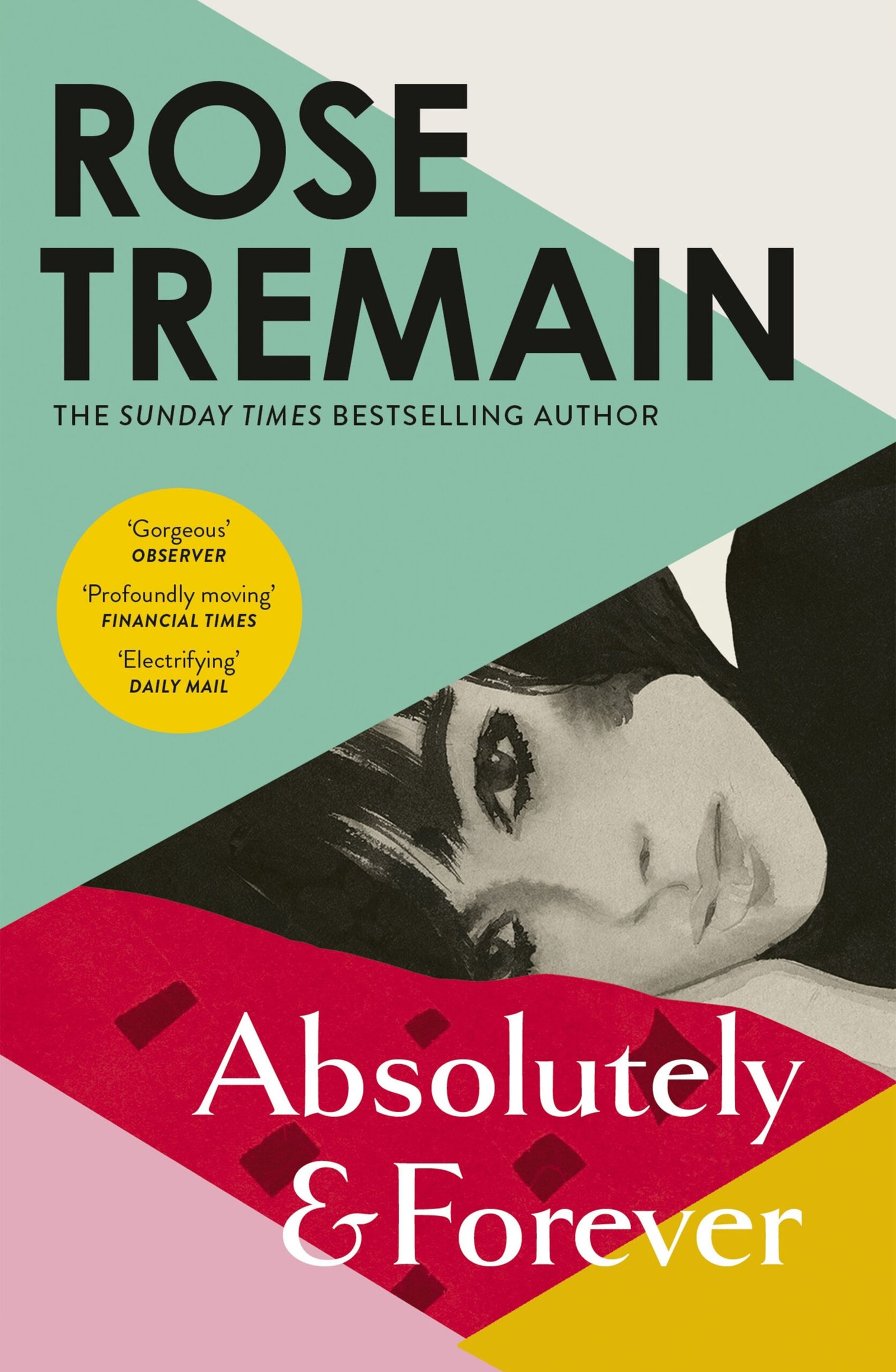
ABSOLUTELY AND FOREVER by ROSE TREMAIN
At one point in this slim coming-of-age novel, Rose Tremain’s 17th, the main character, Marianne, is accused by her husband, Hugo, of being “a bloody difficult person to like”. Marianne is genuinely perturbed by this. She married him more than 10 years before, when she was just 20. It is the early 1970s, Hugo runs a London auction house, and they are in Paris – Marianne has been patiently looking at model puppet theatres all day.
BEL CANTO by ANN PATCHETT
Mr Hosokawa had disciplined himself since early childhood to want only the things that were possible to have. These things did not include “happiness” a concept that he barely if at all understood. They did include an enormous global industry, a productive family and an understanding of music. The reader is made to feel Mr H is a typical product of an old school rigidly traditional and stoically hard working Japanese culture. When the government of an unnamed South or perhaps mid American country
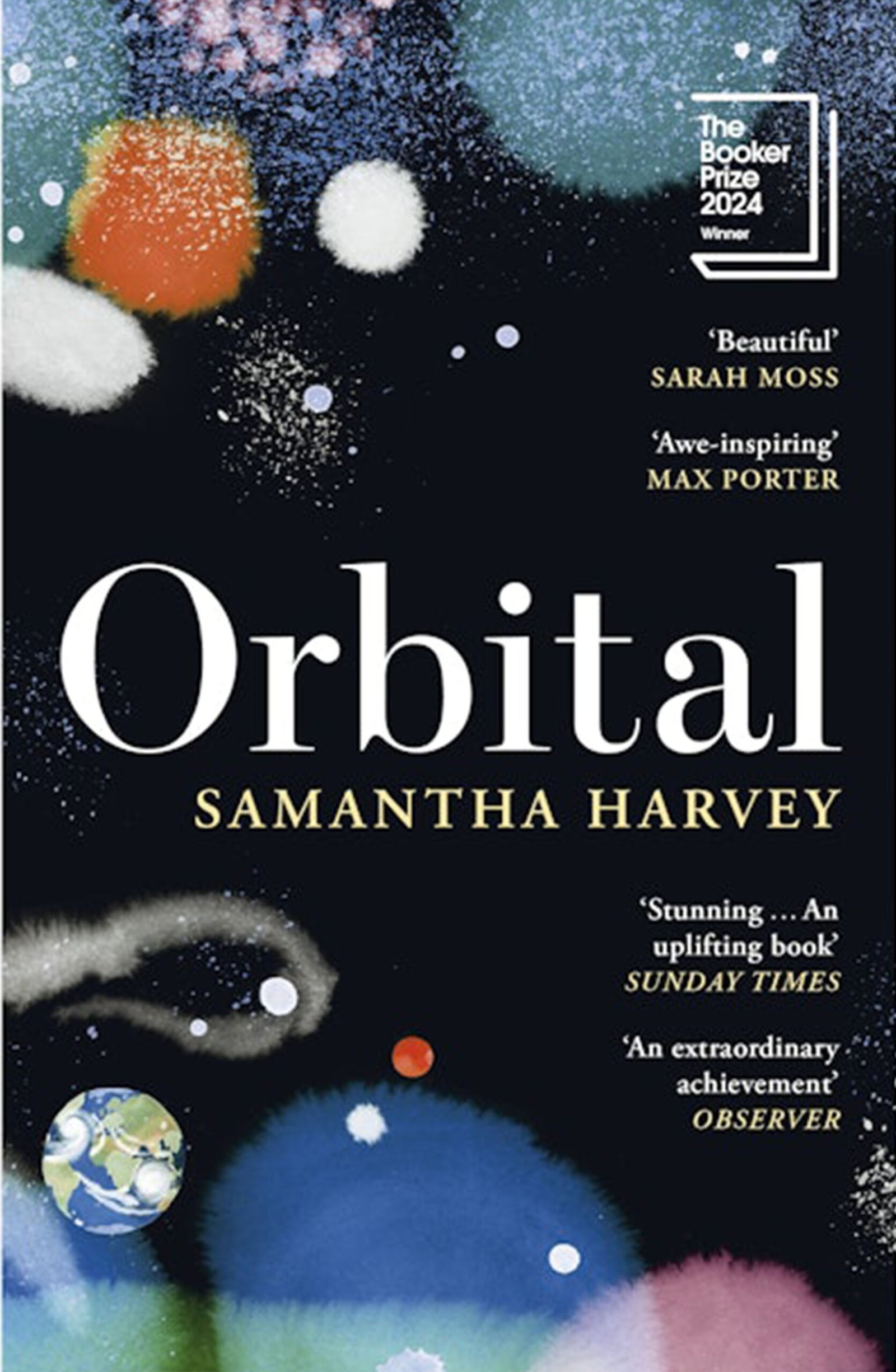
ORBITAL by SAMANTHA HARVEY
Raw space is a panther, feral and primal,” the author informs us in the opening paragraph. The astronauts “dream it stalking through their quarters.” There are six of them fast asleep in bags while “a handspan away beyond a skin of metal the universe unfolds in simple eternities.” I took a deep semi-sceptical breath. This is heavy duty whipped double cream alcohol-laced over-writing with a fancy meringue topping. It is meant to seduce and impress the erudite. “Look here, reader, I’m a genius conjuror of sumptuous figures of speech and oxymoronic paradoxes,” it announces immodestly.
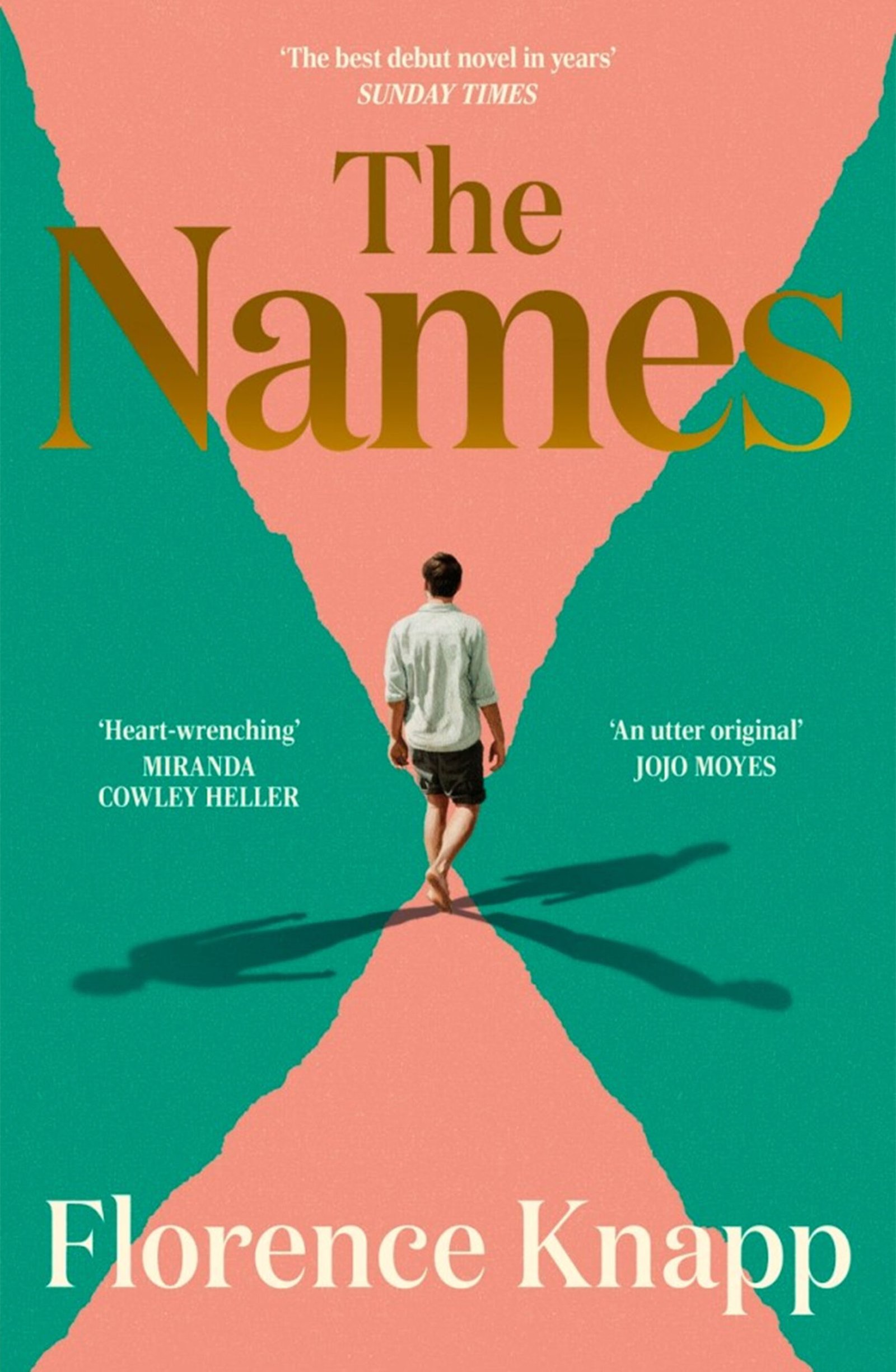
THE NAMES by Florence Knapp
As a very hot spell of weather impended and my energy levels were diminishing I decided to access this novel by audio book, lie down by the side of a pool and allow the sentences to gently caress me. The lilting accent of an Irish female reader advanced me quickly into the heart of the story which is set initially in 1987, the year of the great storm when Cora has just given birth to her second child, a boy her husband wants to name Gordon after himself and the long line of Atkins patriarchs who preceded him.
WUTHERING HEIGHTS by Emily Bronte
Books I’ve reviewed